The Remembrance Museum of the Land of Oświęcim has acquired a remarkable collection of memorabilia related to the Kupiec family from Poronin. The donation significantly expands the Museum’s holdings connected to aid provided to prisoners of Auschwitz during the German occupation.
A unique collection of historical significance
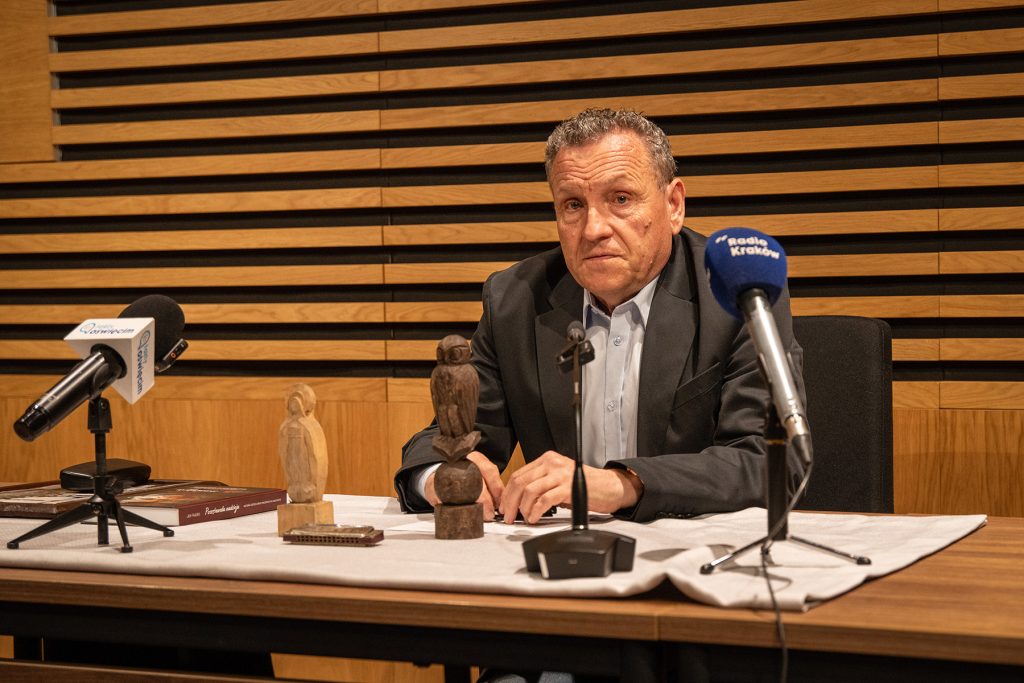
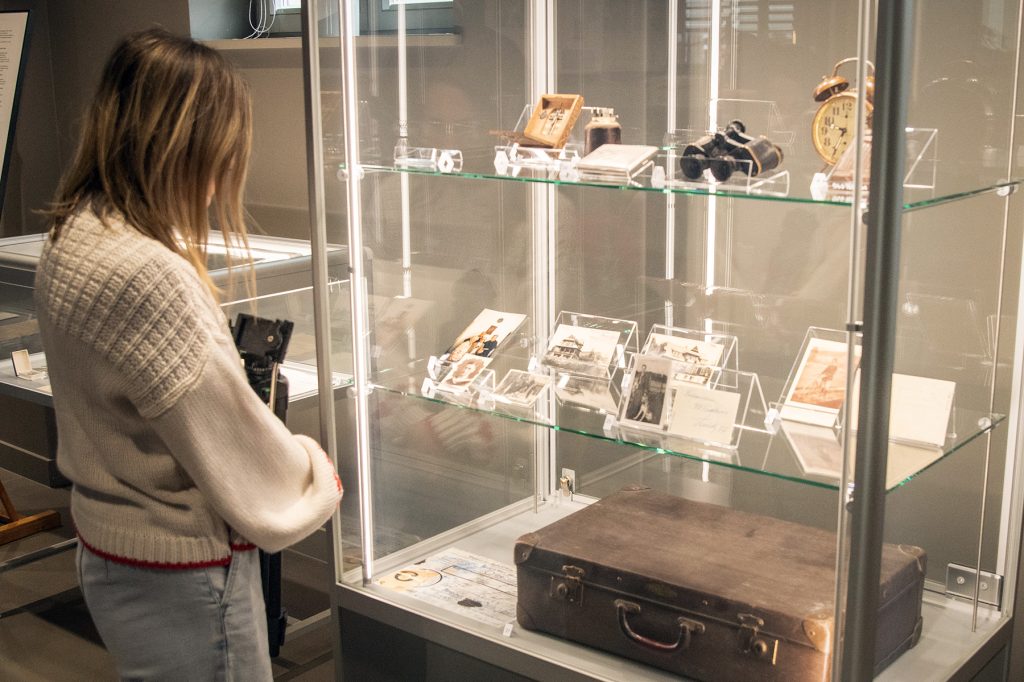
The newly acquired collection is of great importance, not only for its material value but above all for its historical significance. The set includes 27 objects, such as family photographs, a certificate of release from prison in Kraków (Montelupich Street) issued to Władysław Kupiec, a Displaced Person (DP) card issued to Jan Kupiec, a carved owl figurine with a hidden compartment for secret messages created by Bolesław Kupiec, a copy of the “Our Lady Behind the Barbed Wire” figurine by Antoni Kupiec, a carved altar by Władysław Kupiec, a clock belonging to Antoni Kupiec, and a signed photograph of the well-known boxer Tadeusz “Teddy” Pietrzykowski, among others.
The story of the “Our Lady Behind the Barbed Wire” figurine
While imprisoned in KL Auschwitz, one of the six brothers—Bolesław—carved a figurine of the Virgin Mary, later known as Our Lady Behind the Barbed Wire. The figurine was used to conceal a secret message. The message was intercepted by the resistance outside the camp and delivered to Father Władysław Grohs de Rosenburg, a priest actively involved—alongside Father Jan Skarbek—in underground activity and assistance to prisoners of KL Auschwitz.
Press meeting and presentation of the collection
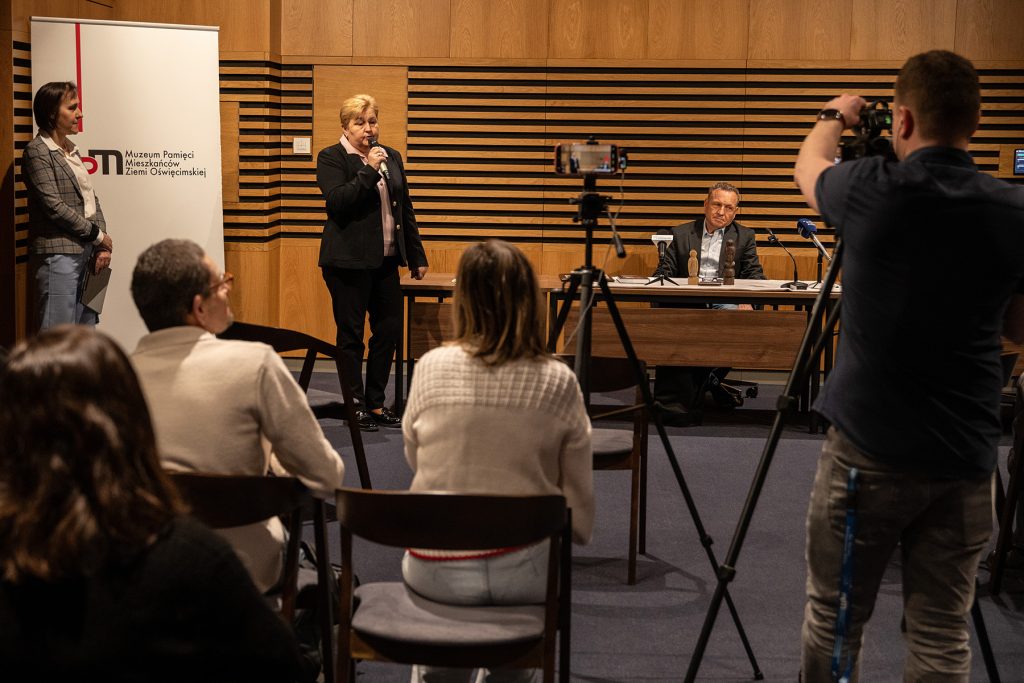
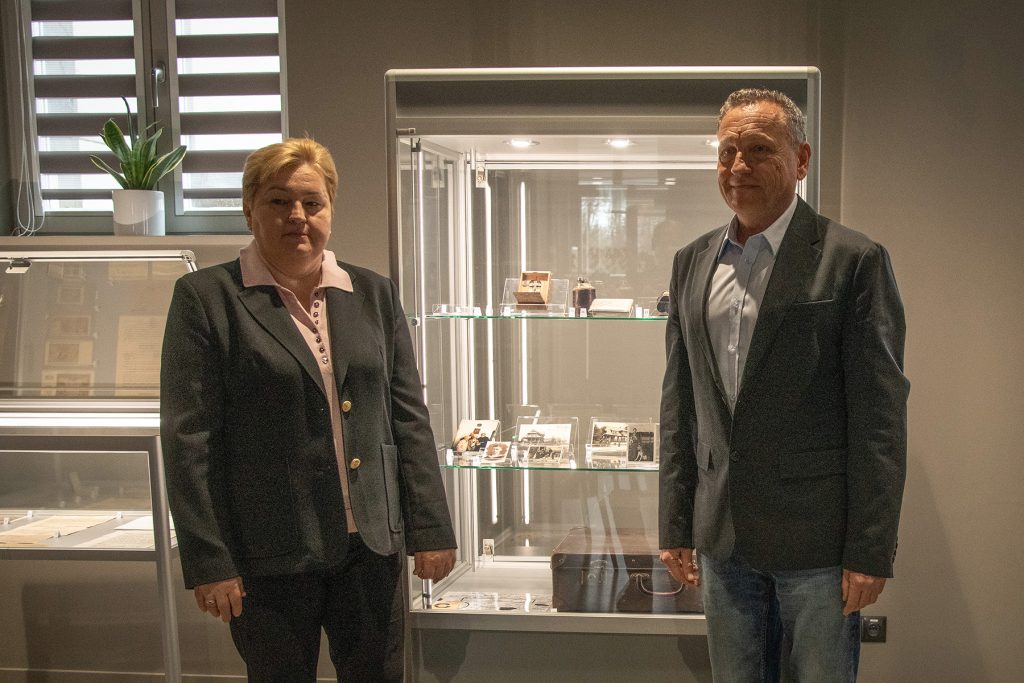
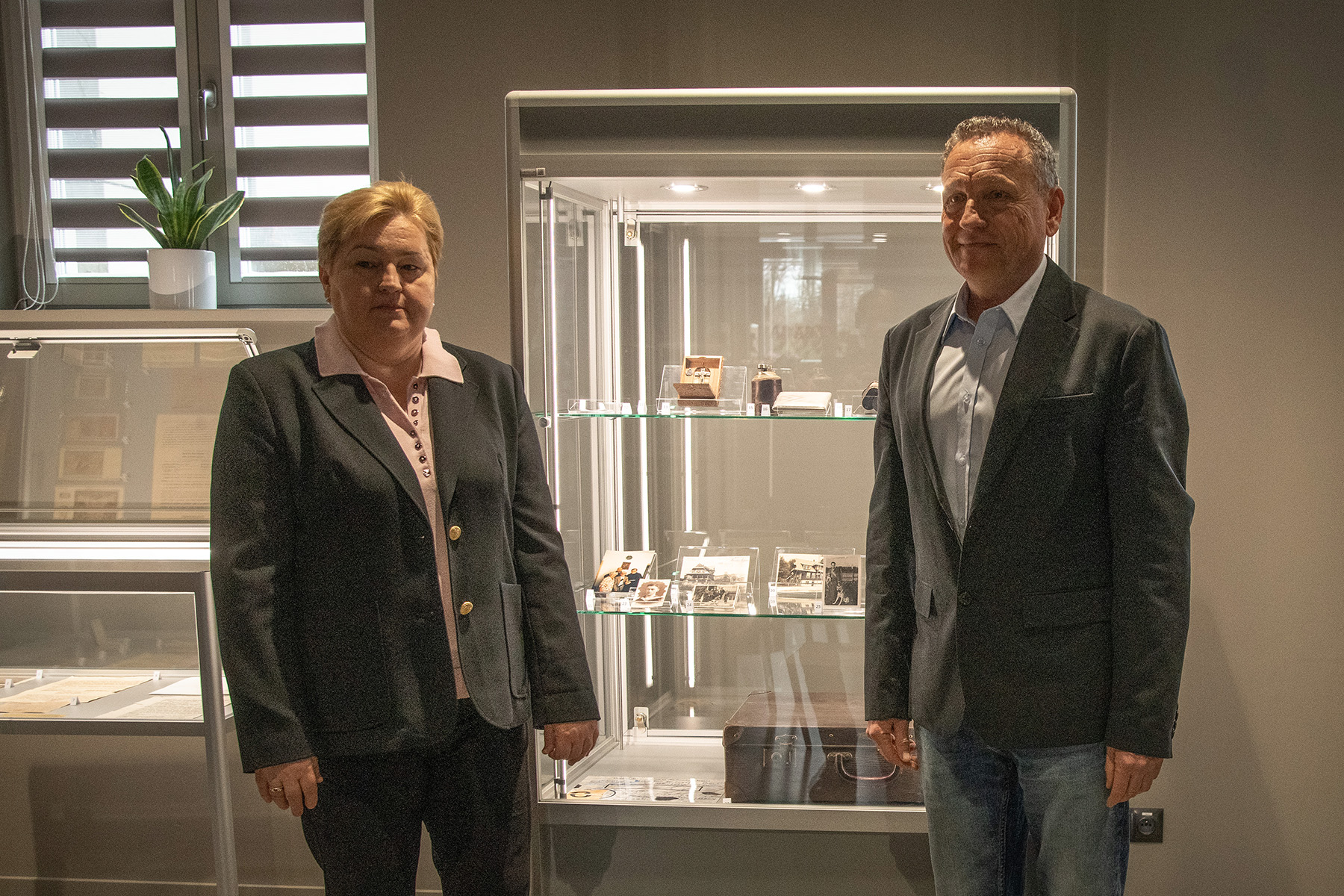
The newly acquired objects were presented during a press meeting held at the Museum on Thursday, 26 March 2026.
Welcoming the guests, the Museum’s Director, Dorota Mleczko, noted that the story of the Kupiec brothers could easily serve as the basis for a film.
“Why is our Museum interested in this story? On our permanent exhibition, there is a small figurine—a faithful copy of the so-called ‘Our Lady Behind the Barbed Wire,’ created during the occupation and used to transmit information. What makes this story even more remarkable is that the message hidden inside was only read many years later. The letter was discovered in the 1970s. When we were creating our exhibition, we recognized it as an extraordinary and compelling story, highlighting the involvement of the clergy,” she said.
Where the original figurine is kept
The original figurine is housed in a dedicated chapel at the Saint Maximilian Center in Harmęże. A faithful replica and a hologram can be seen in the permanent exhibition of The Remembrance Museum of the Land of Oświęcim, in the section devoted to the assistance provided by the clergy during the German occupation.
The story of the Kupiec family
The history of the Kupiec family was presented by a special guest of the event, Marek Wójcik, who is closely connected with the family and deeply committed to preserving the memory of the Kupiec brothers.
“This story is so extensive that I decided to organize it,” he explained.
The Kupiec brothers—Jan (1904–1992), Józef (1905–1945), Władysław (1907–1998), Karol (1909–1942), Bolesław (1913–1942), and Antoni (1919–2002)—were the children of Piotr and Maria (née Mrowiec). They also had two sisters, Maria and Stanisława. The family lived in Poronin, where they moved in 1918 from Zakopane. There, they ran a restaurant, a guesthouse called “Pod Łosiówkami”, and a beer tavern. Patriotism played an important role in the family—Piotr, a veteran of World War I, strongly instilled patriotic values in his children.
Repression and the tragic fate of the brothers
For their underground activities, the brothers were arrested in 1940 by the Gestapo in Zakopane and subjected to brutal interrogations. They were then sent to KL Auschwitz. After further evidence of their resistance activity was uncovered, they were transferred again to the Gestapo headquarters known as the “Palace” in Zakopane. There, Bolesław was murdered after taking full responsibility upon himself. Two other brothers—Karol and Władysław—were sentenced to death. The remaining brothers—Jan, Józef, and Antoni—were sent back to Auschwitz. Against all odds, Jan, Antoni, and Władysław survived the war.
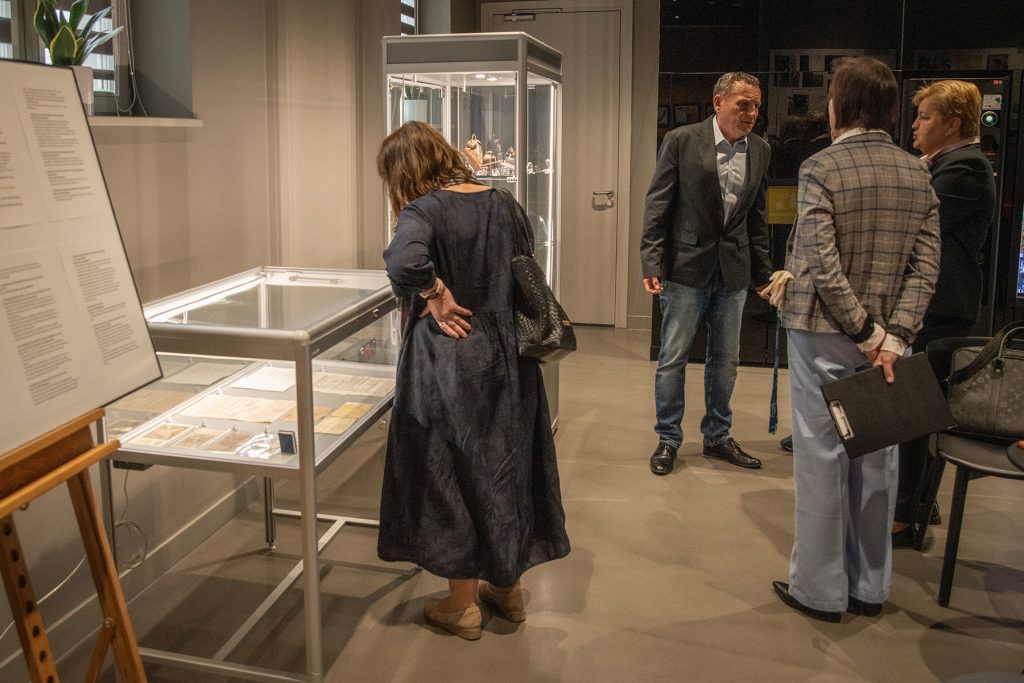
Exhibition open to visitors
The exhibition of memorabilia related to the Kupiec brothers is on display in the Museum’s main hall until the end of May, during regular opening hours. Admission is free. The Thursday event also marked the launch of a new exhibition series titled “Object of the Quarter.”