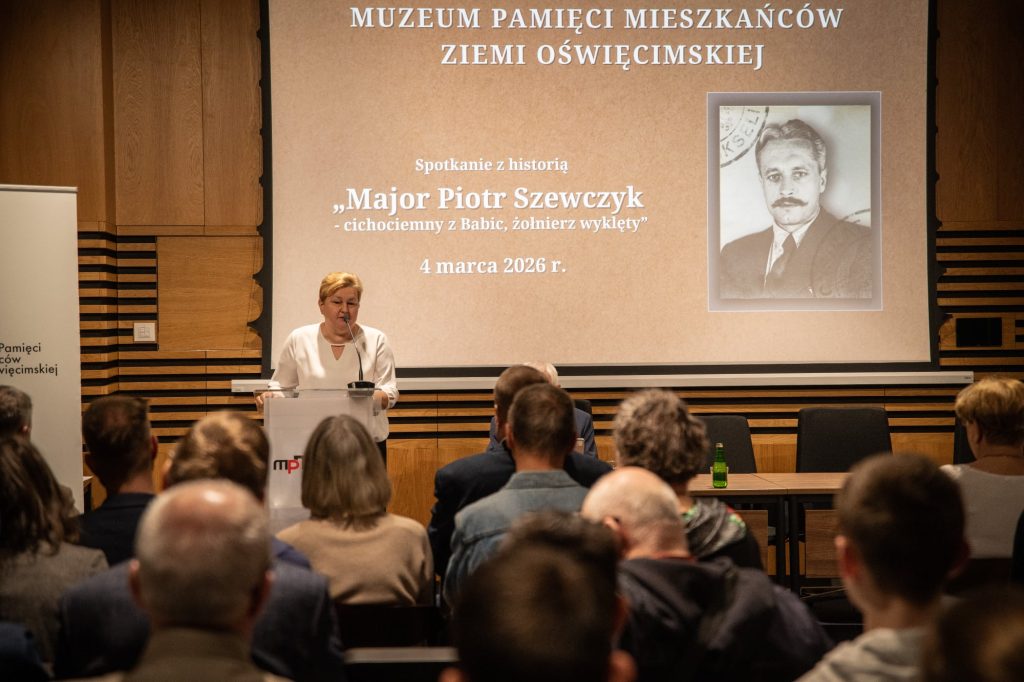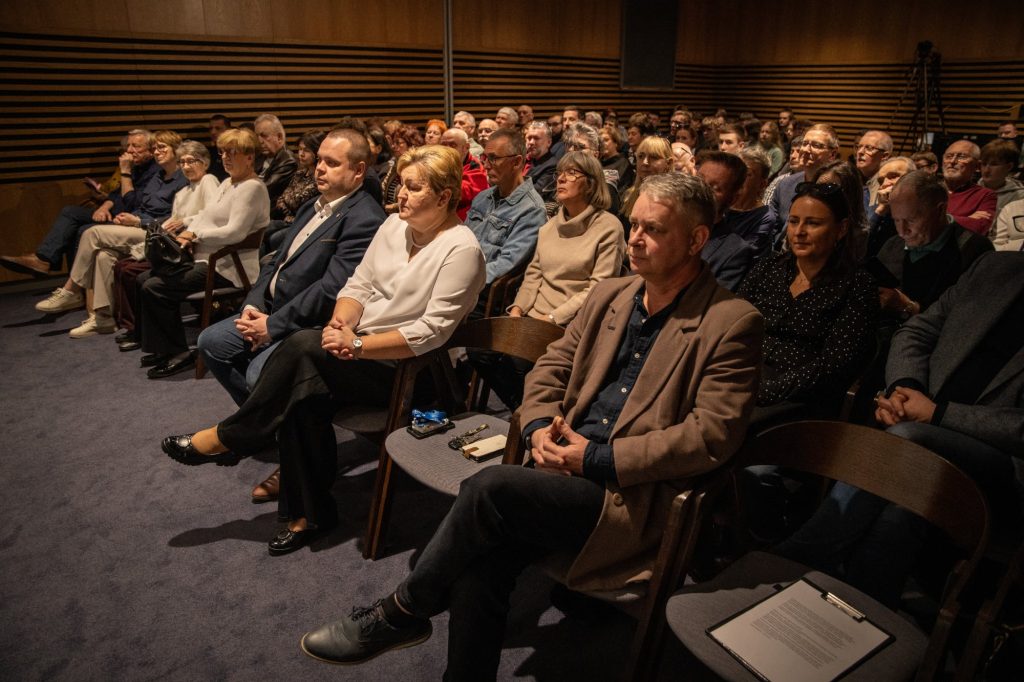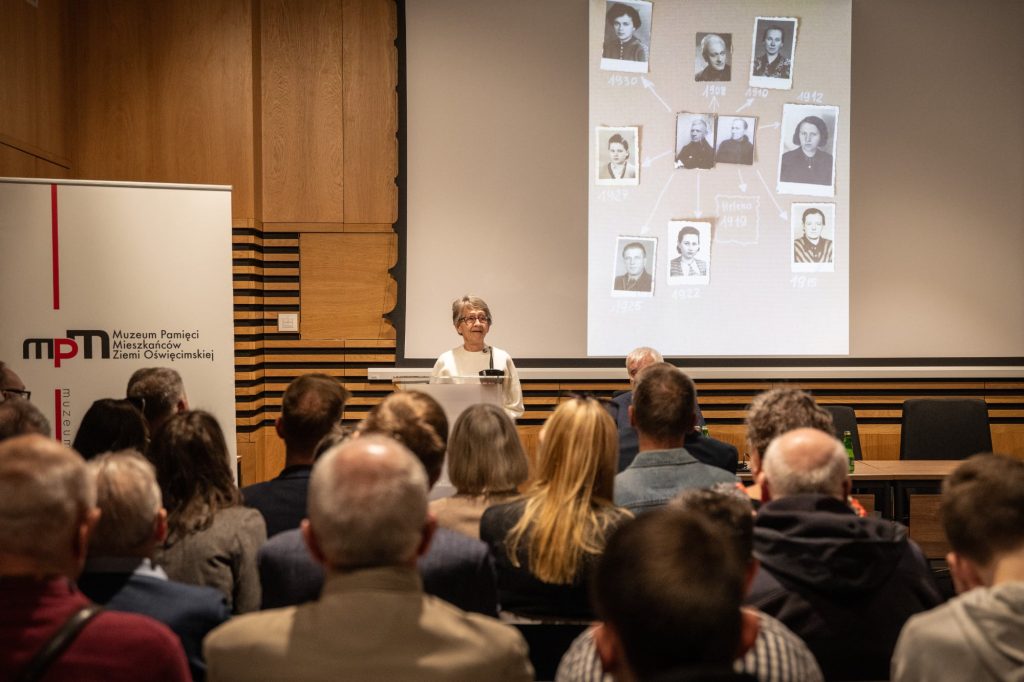
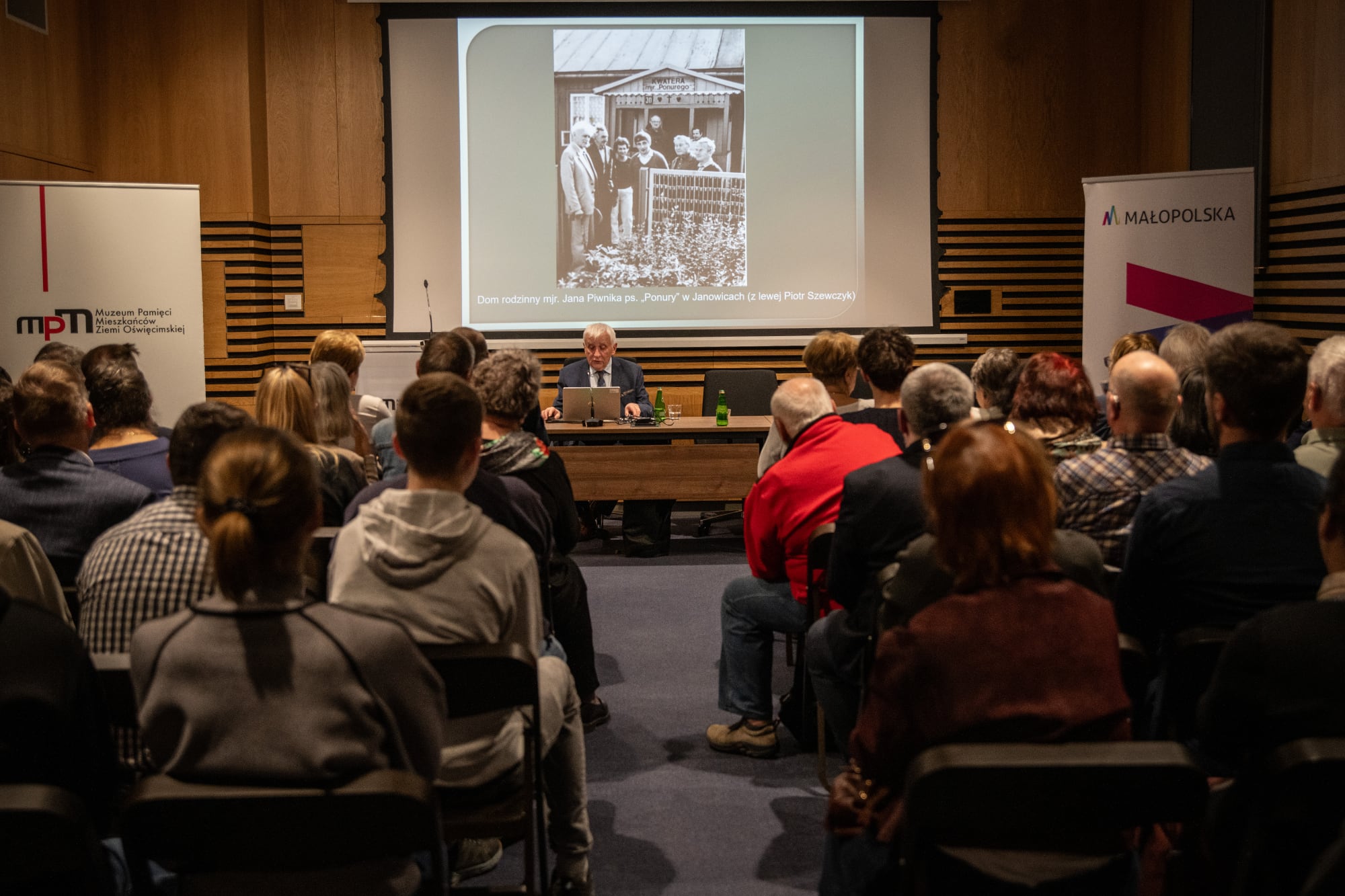
On March 4, an event from the series “Meeting with History” took place at the The Remembrance Museum of the Land of Oświęcim, dedicated to Major Piotr Szewczyk – a member of the Cichociemni (Silent Unseen), a soldier of the Polish Underground State, and one of the Cursed Soldiers. The meeting gathered a large audience.
Event Guests and Youth Participation.
Among those present were: Jakub Przewoźnik – head of the local branch of the Marshal’s Office of the Małopolska Region, Staff Sergeant Krzysztof Teper and Staff Sergeant Małgorzata Jurecka – representatives of the District Police Headquarters in Oświęcim, which takes care of the major’s grave and preserves his memory – as well as many relatives of the hero of the meeting. The event was attended by students from Oświęcim’s vocational schools and Primary School No. 3, as well as local residents.
Introduction and Significance of the Event.
The meeting was opened by the director of the museum, Dorota Mleczko, who emphasized the importance of the presence of young people and the shared responsibility of preserving the memory of local heroes. She noted that the event marked the culmination of a series of initiatives organized by the museum in connection with the National Day of Remembrance of the Cursed Soldiers.
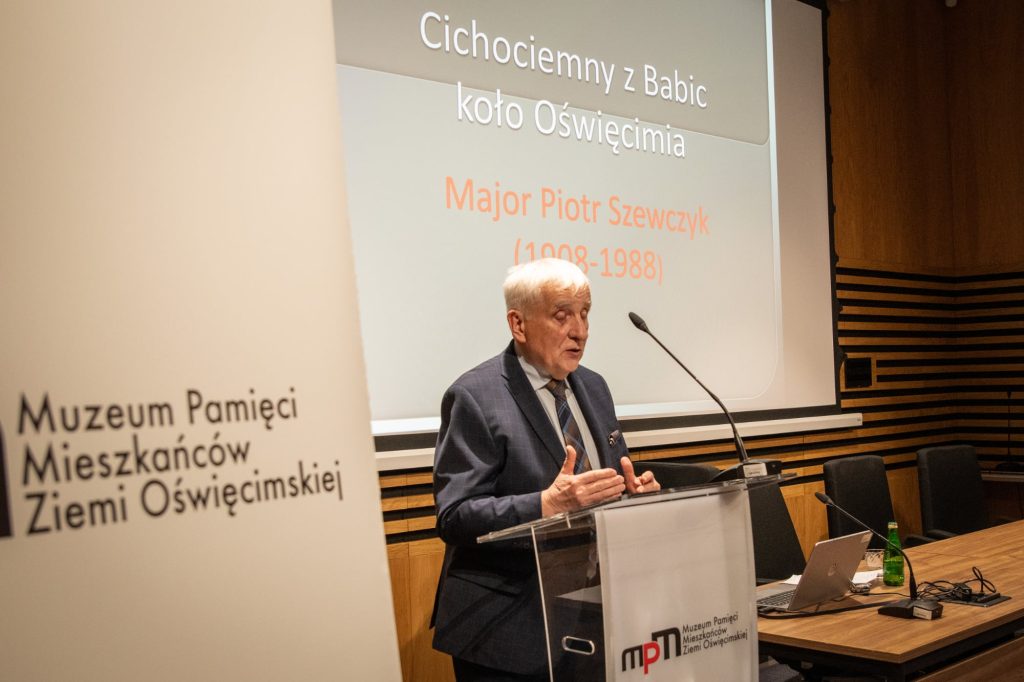
Historical Lecture by Dr. Adam Cyra.
The main point of the program was a lecture by Dr. Adam Cyra – a historian and long-time employee of the Auschwitz-Birkenau State Museum, and the author of the biography “The Silent Unseen from Babice.” The speaker talked about the background of his research on the life of Major Piotr Szewczyk.
Who Was Piotr Szewczyk? – Biography of a Hero.
During the lecture, the most important facts from the hero’s biography were presented. Piotr Szewczyk was born in Babice in a large family. He graduated from the Stanisław Konarski Secondary School in Oświęcim. He began studying law but ultimately chose a military career, followed by service in the State Police.
Wartime Experiences and Underground Resistance Activities.
During World War II, he fought in the defense of Warsaw, and after Poland’s defeat in September 1939, he made his way to the West. As a soldier of the Independent Podhale Rifle Brigade, he fought in Norway, distinguishing himself in the Battle of Narvik. For his bravery, he was awarded the Virtuti Militari and the War Cross with Sword, granted by King Haakon VII of Norway. He also fought in France, and after its fall, he reached Great Britain, where he volunteered for a parachute brigade and became one of the Cichociemni (The Silent Unseen).
In 1943, he was sent into occupied Poland. He operated in the underground in Lviv as the commander of the sabotage district “Lviv-City,” taking personal part in many operations. He also prepared structures for the fight for a free Lviv.
Post-War Repression and Life After Imprisonment.
After the war, as a courier of the Delegation of the Armed Forces for the Country, he made his way to London to deliver information about the situation in Poland. After returning, he was arrested by the communist authorities and sentenced to death. Thanks to the efforts of Janina Kajtoch and the residents of Babice, the sentence was commuted to 15 years in prison. He regained his freedom after 11 years. In the following years, he worked, among other places, in carpentry workshops in the Bieszczady Mountains, Piaseczno, and Warsaw. After suffering a stroke, he returned to his hometown of Babice, where he was cared for by his sister, Zofia Zużałek.
At the end of the lecture, Dr. Adam Cyra made an electronic version of his publication “The Silent Unseen from Babice” available to all interested participants.
Memories of the Major’s Family.
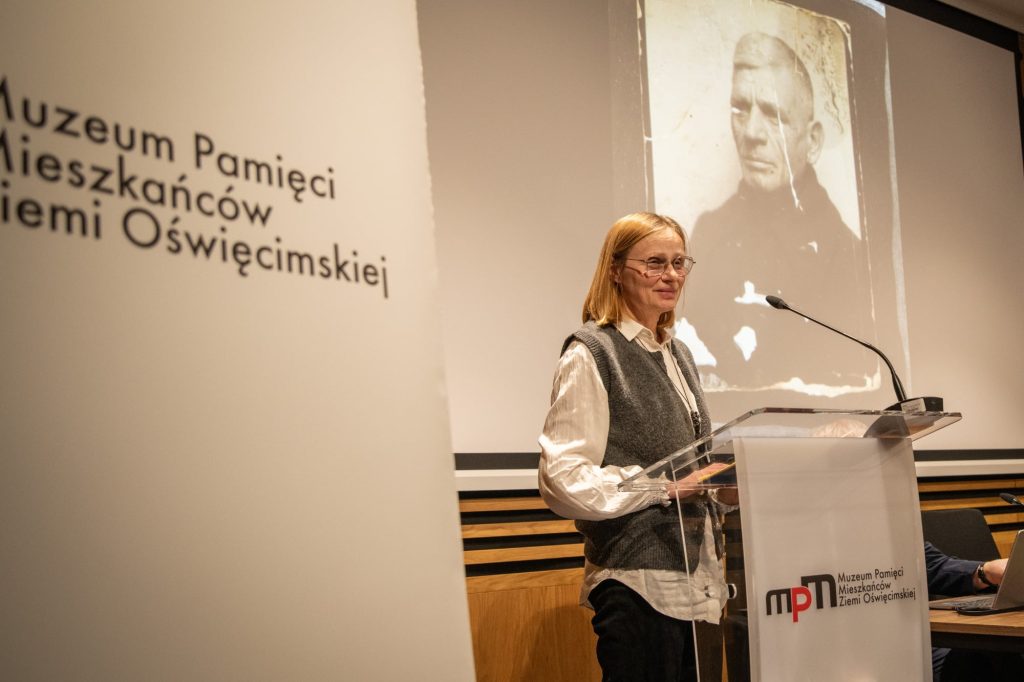
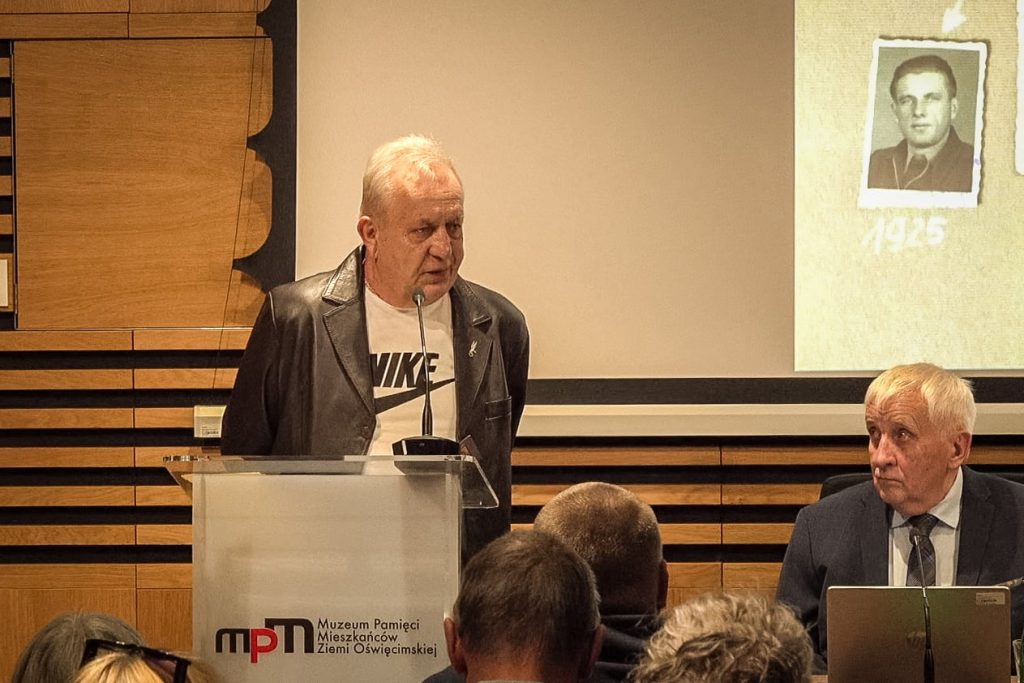
After the lecture, members of the major’s family took the floor, sharing personal memories.
Memories of Maria Szewczyk.
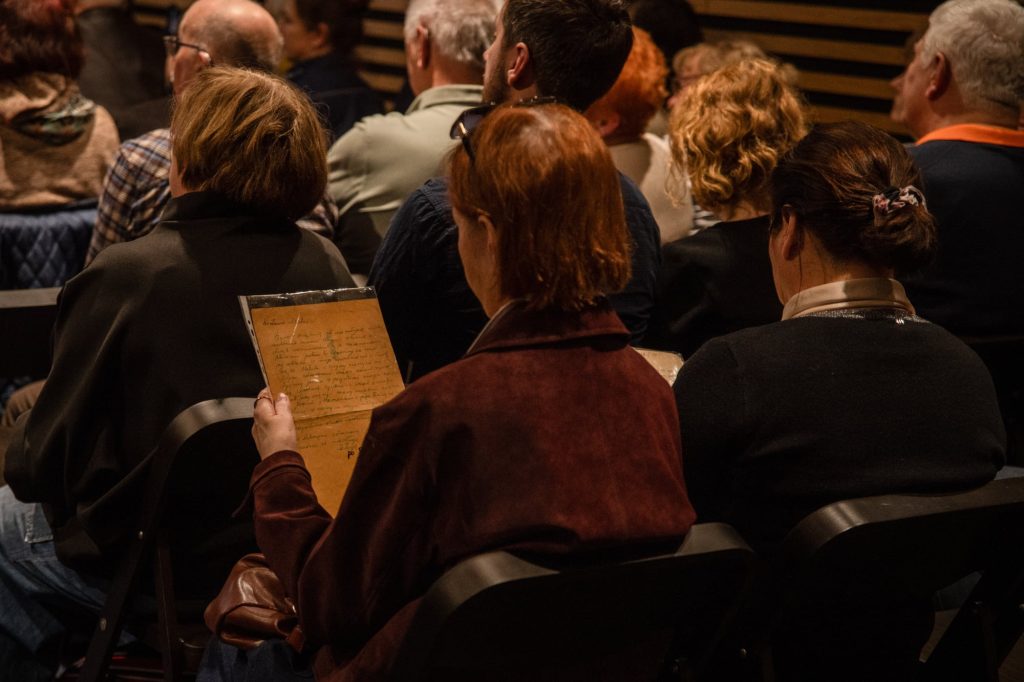
Maria Szewczyk spoke about his visits to his family home in Babice and the atmosphere he brought with him – the atmosphere full of respect and sense of occasion. She recalled shared family dinners and emphasized his sensitivity – also towards animals; he had a sentimental attitude toward mice and rats, which, as he said, were the only “guests” he had in solitary confinement. She also quoted fragments of letters he sent from prison to his family, in which he often reassured them: “I endure, and that is all.” These letters, full of concern for his loved ones, were presented to the audience.
Testimony of Sławomira Zużałek.
Sławomira Zużałek, Maria Szewczyk’s cousin, also shared her memories. She spoke about a visit to the prison in Wronki, when as an approximately eleven-year-old girl she saw her uncle for the first time. The visit remained in her memory forever. She also recalled a holiday situation when Piotr Szewczyk noticed he was being watched by officers and decided to leave not to expose her to trouble.
Memories of Andrzej Pędziwiatr.
Andrzej Pędziwiatr recalled his stays with his uncle in Krościenko, where after leaving prison he ran a craft workshop. As he emphasized, he was a widely known and highly respected person in the town.
Guided Tour of the Museum Exhibition.
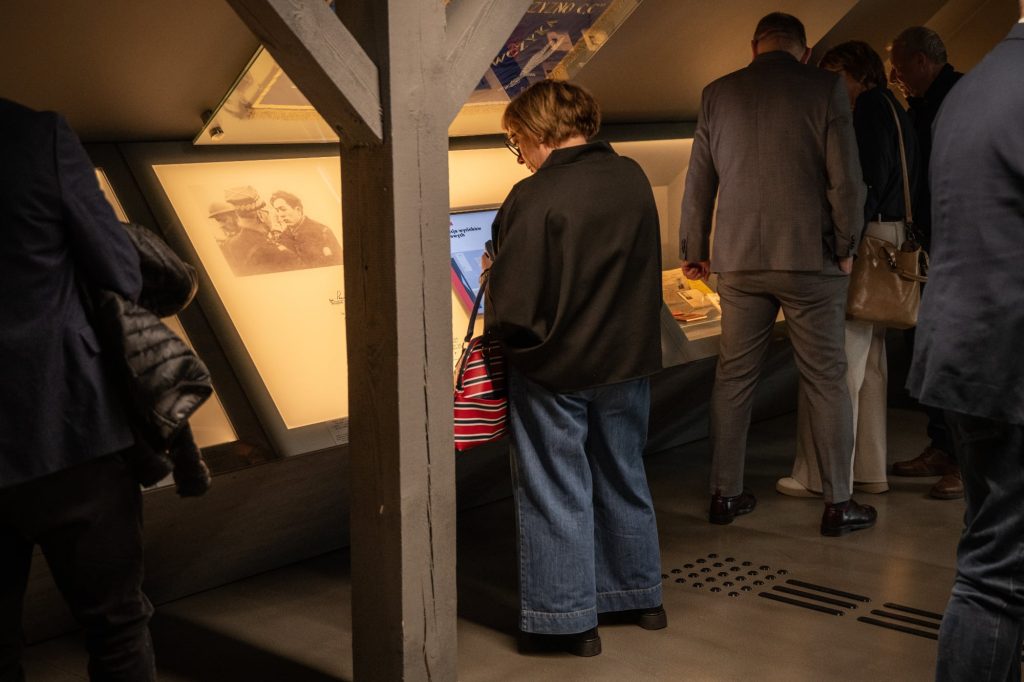
At the end of the meeting, participants had the opportunity to see a part of the museum’s permanent exhibition presenting the history of Major Piotr Szewczyk.
Remembering a Hero.
The meeting was an opportunity to recall the extraordinary life of Major Piotr Szewczyk – the Cichociemny from Babice (“The Silent Unseen from Babice.”)– and to pay tribute to his courage and service to Poland. Thanks to family memories and the historical lecture, participants were able to see the local hero both from a historical perspective and through personal experiences.