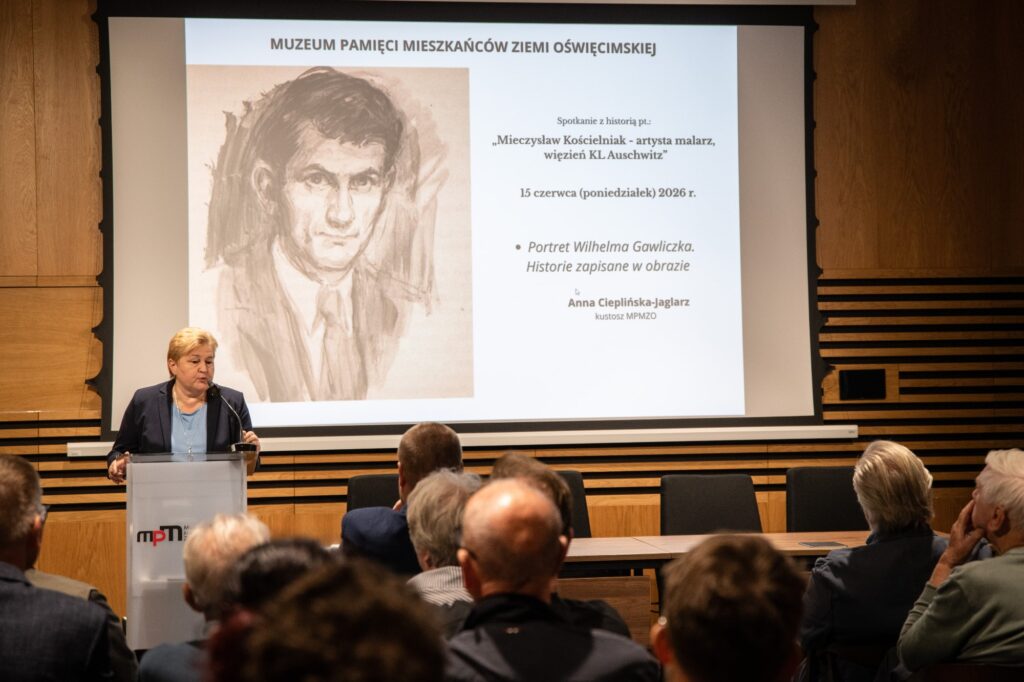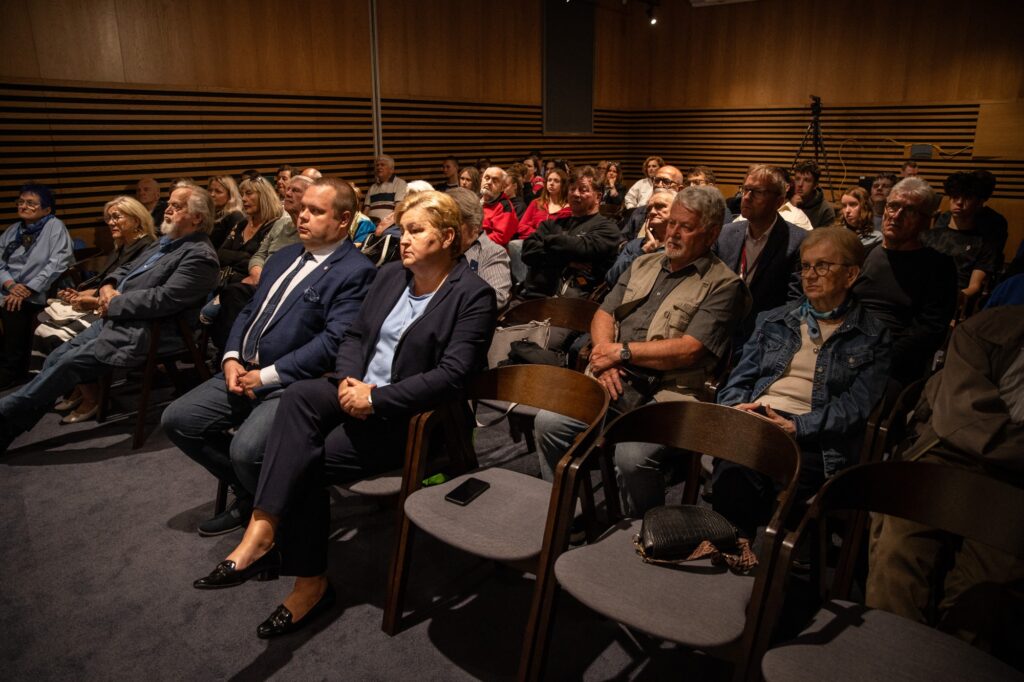
On June 15, 2026, The Remembrance Museum of the Land of Oświęcim hosted another event in its History Encounter series, dedicated to Mieczysław Kościelniak—an artist, prisoner of KL Auschwitz, and the creator of remarkable works documenting life in the camp. The event was organized as part of the observance of the 86th anniversary of the first transport of Polish political prisoners to KL Auschwitz.
The meeting opened with a presentation by Anna Cieplińska-Jaglarz, curator at the Museum, who introduced the story behind the portrait of Wilhelm Gawliczek, an Auschwitz prisoner whose likeness is displayed in the Museum’s permanent exhibition.
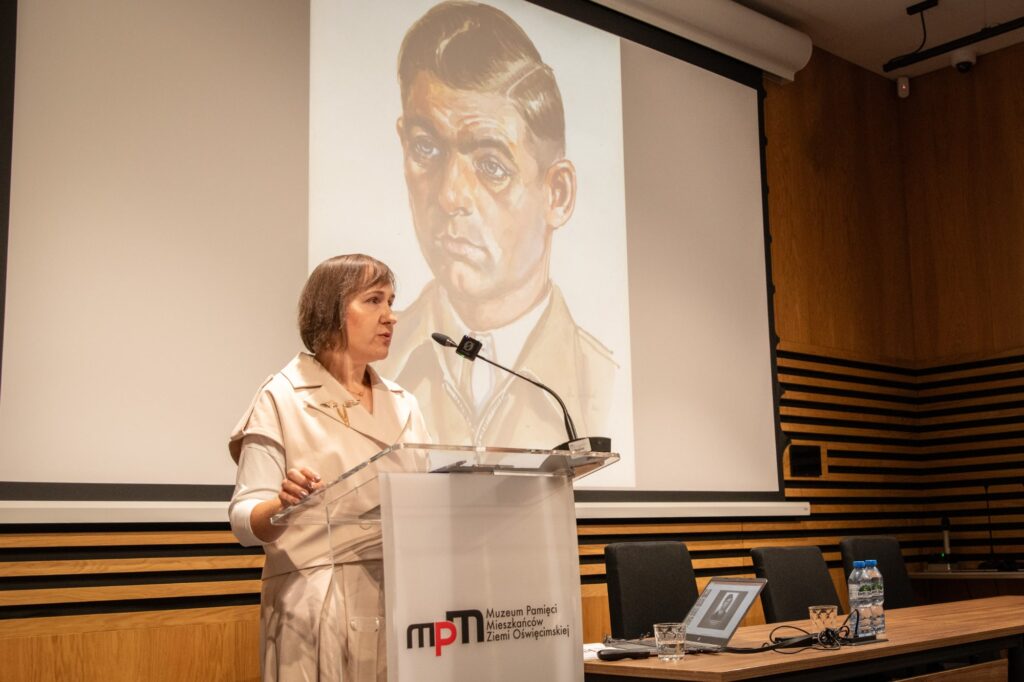
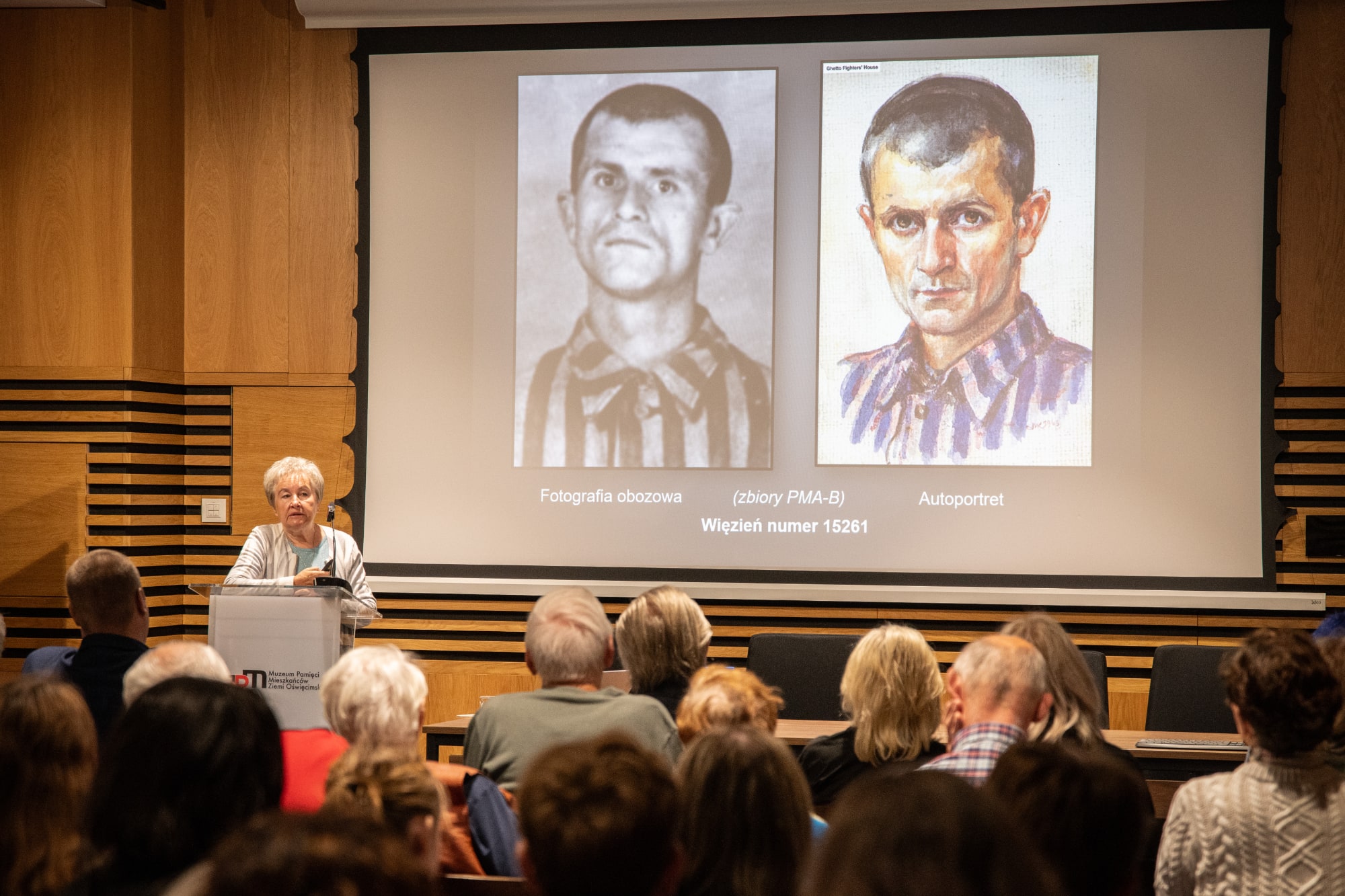
Beginning in 1943, Wilhelm Gawliczek worked in the camp canteen, where he met Helena Datoń, who was employed in the SS canteen located in so-called Haus 7. Both became involved in underground resistance activities, smuggling secret messages, medicines, and information out of the camp. As a token of gratitude for Helena Datoń’s courage and commitment to helping prisoners, Gawliczek presented her with his portrait. The watercolor, painted by Mieczysław Kościelniak in 1944 and now part of the Museum’s collection, served as the starting point for the story of the artist’s extraordinary wartime experiences.
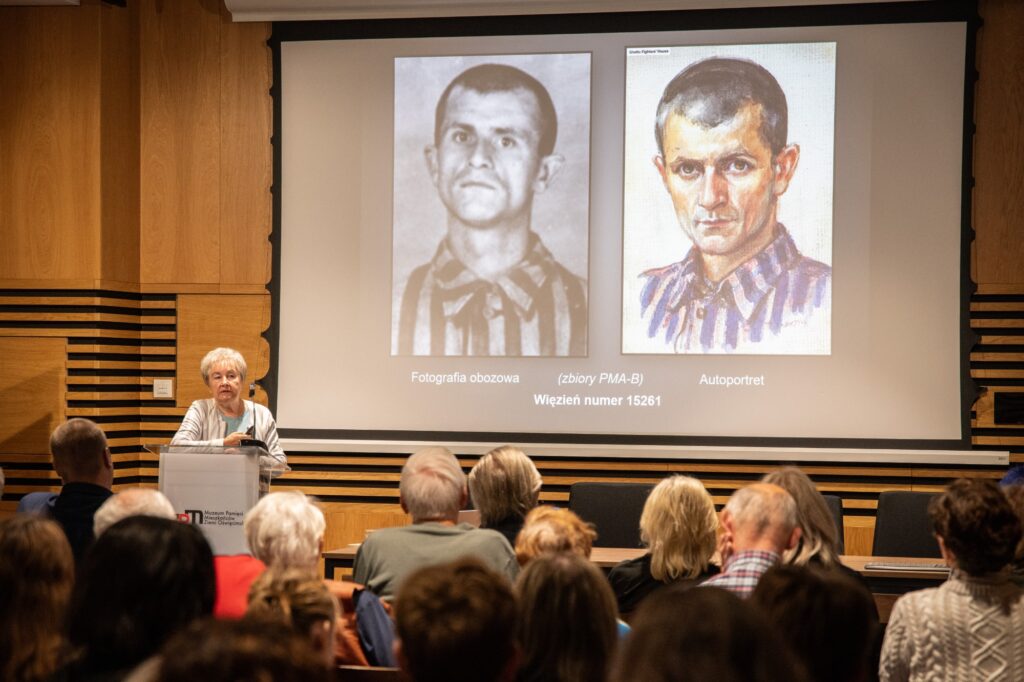
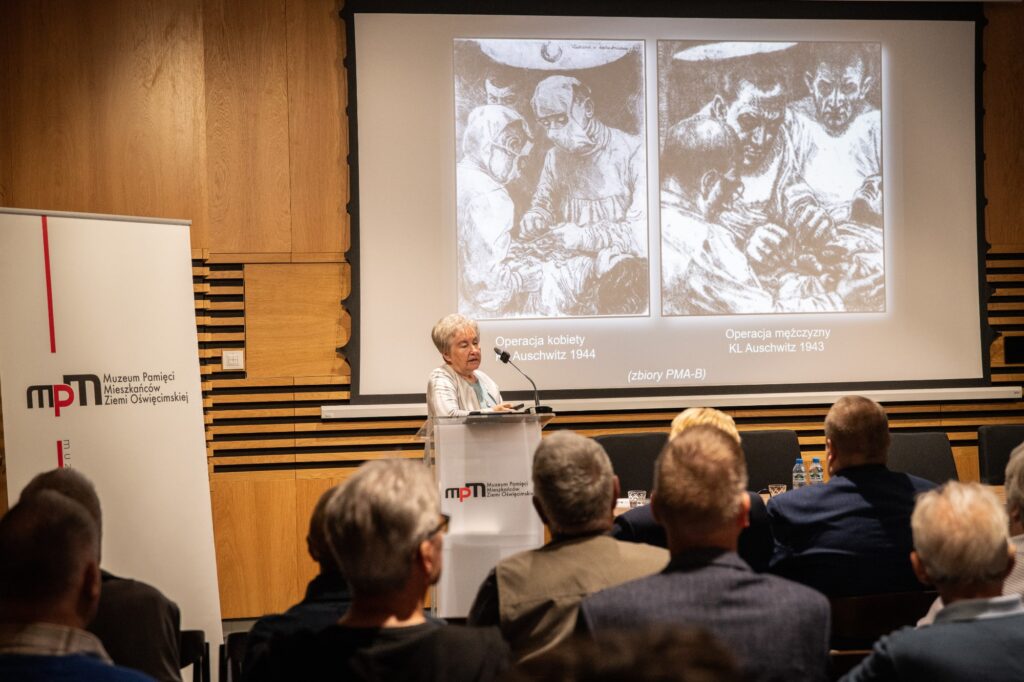
The main part of the event was a lecture by Jolanta Kupiec, an art historian, former long-time employee of the Auschwitz-Birkenau State Museum, and author of a publication devoted to Kościelniak. She presented a comprehensive overview of the artist’s life—from his early fascination with art and history, through his studies at the Academy of Fine Arts in Kraków under Józef Mehoffer, to the tragic experiences of World War II.
Particular attention was given to Kościelniak’s artistic work in KL Auschwitz. Despite the extremely harsh conditions, he created portraits of fellow prisoners, landscapes, greeting cards, and artworks documenting everyday life in the camp. He was also actively involved in the camp resistance movement. His secretly created drawings and watercolors were smuggled out of the camp, providing the outside world with evidence of the prisoners’ fate.
Jolanta Kupiec emphasized that Kościelniak’s passion for art and his need to create helped him survive the darkest moments of his imprisonment. After the war, he continued documenting his experiences, producing, among other works, the well-known series A Prisoner’s Day, regarded as one of the most important artistic testimonies of life in Auschwitz.
Following the lecture, participants had the opportunity to view Kościelniak’s portrait of Wilhelm Gawliczek in the Museum’s permanent exhibition.
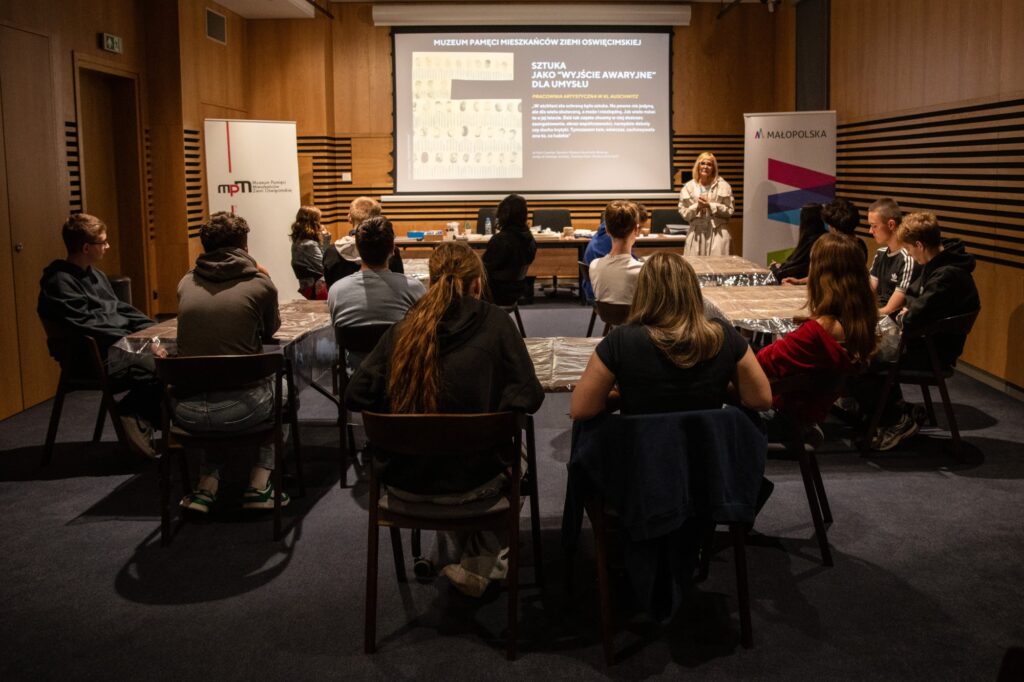
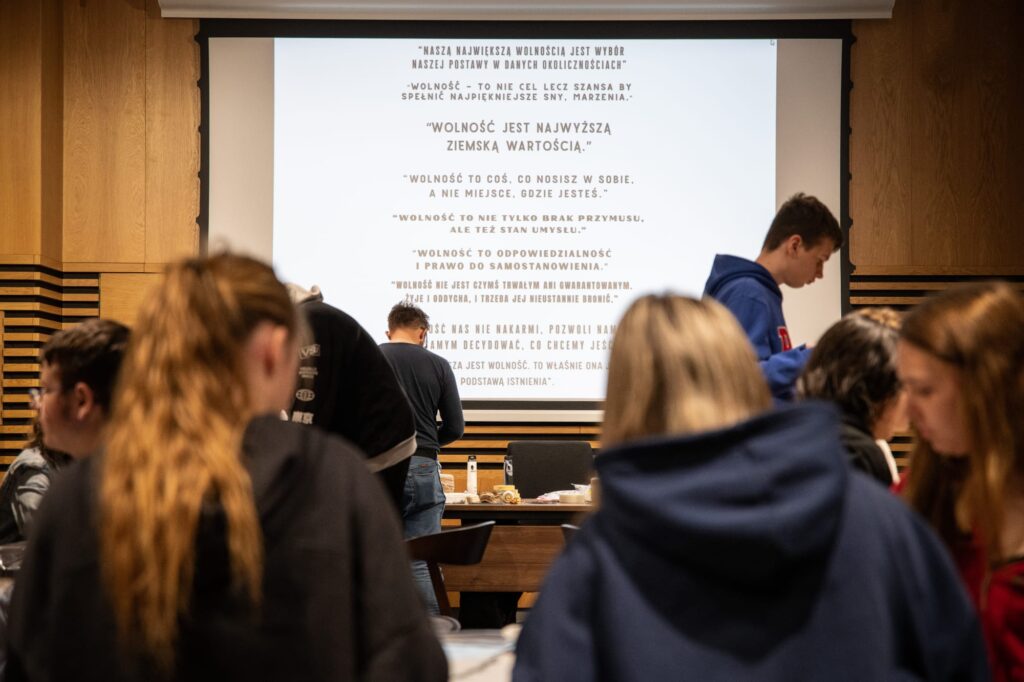
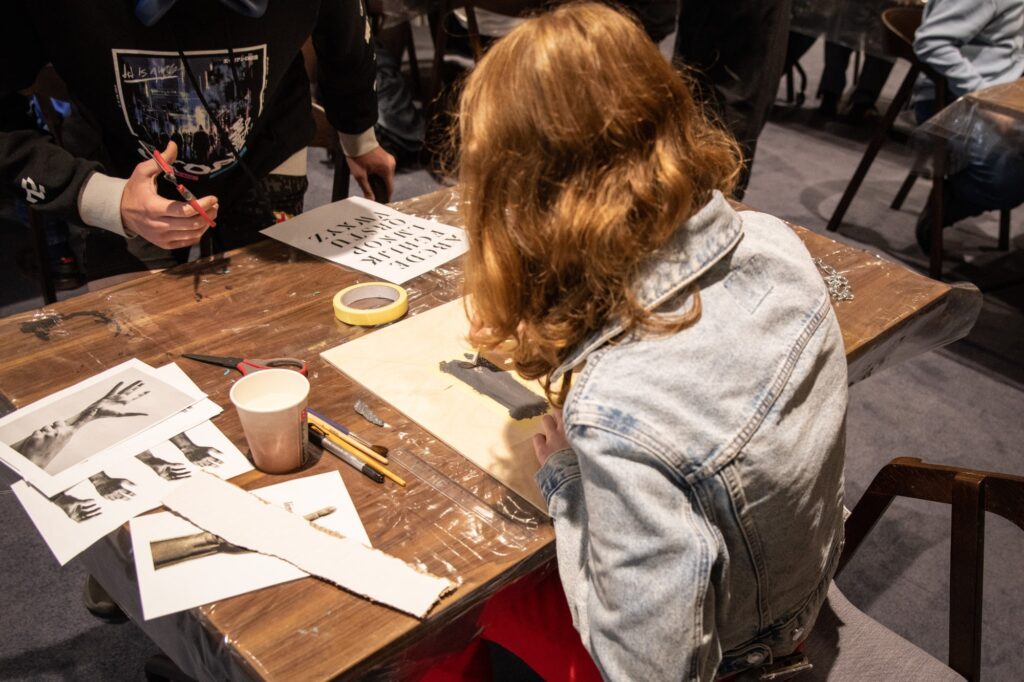
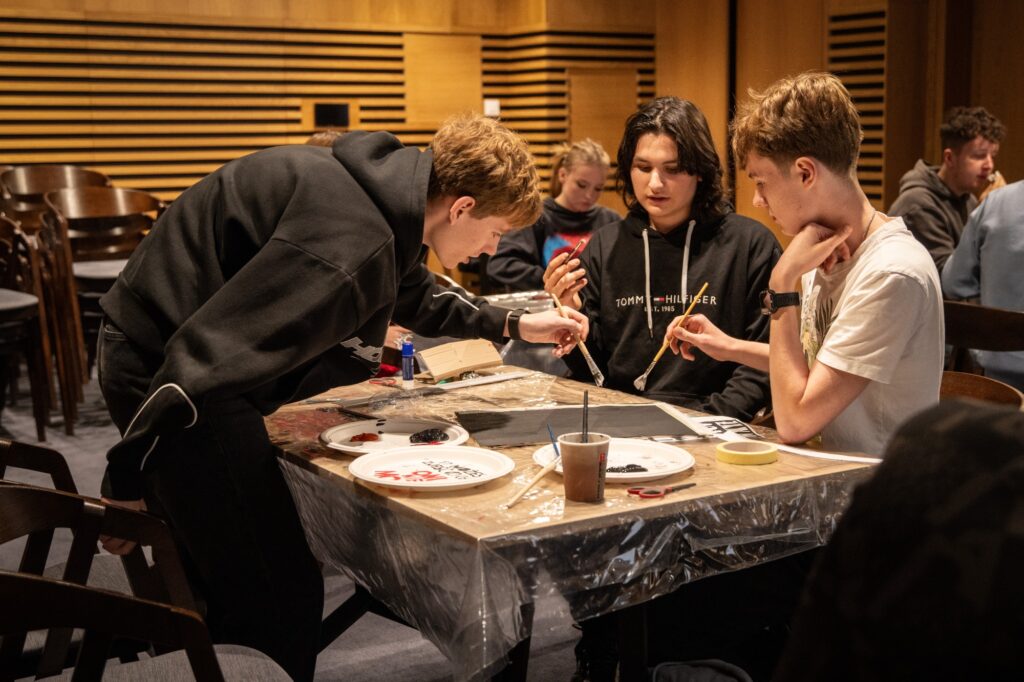
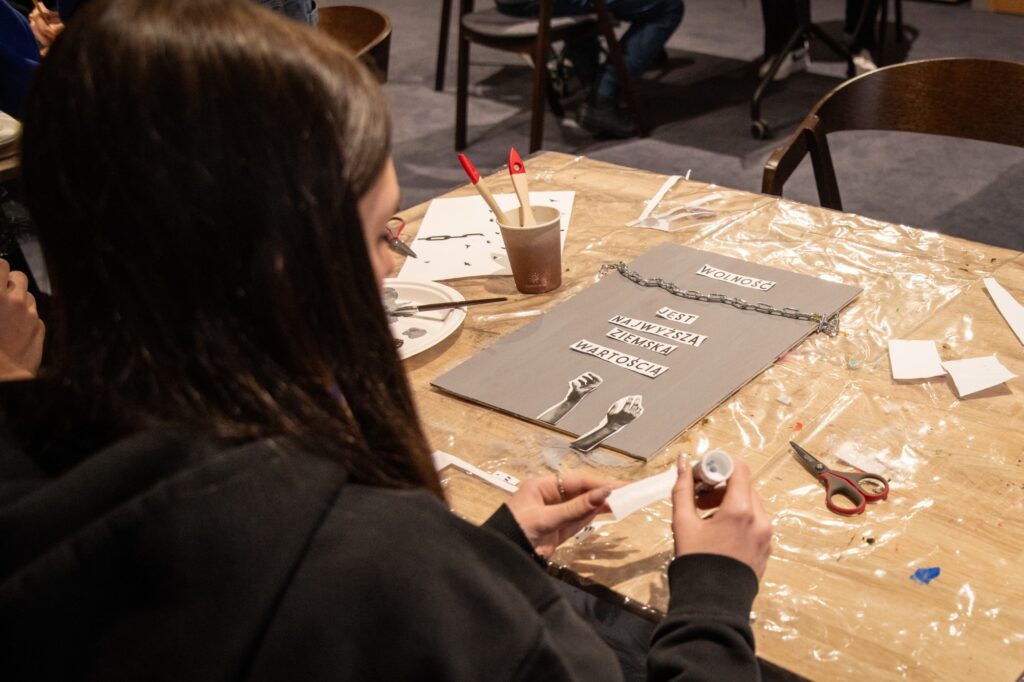
As part of the event, high school students from the School Complex in Libiąż also took part in educational workshops entitled Art as an “Emergency Exit” for the Mind. The workshops began with a presentation about the Lagermuseum in KL Auschwitz, prepared by Museum educators Joanna Cebulska and Martyna Paluchiewicz-Łabaj. Participants then created posters inspired by the theme of freedom. These works will soon be presented as a virtual exhibition on the educational portal available on the Museum’s website.
The event dedicated to Mieczysław Kościelniak was not only an opportunity to learn about the life of an outstanding artist and witness to history, but also a moment for reflection on the role of art as a means of remembrance, a tool for documenting reality, and a way of preserving human dignity under the most difficult circumstances.